Non Basmati Rice Exporters in Hyderabad: Guide to Everything.
The capital city of Telangana, Hyderabad has become a big trading centre of rice in India. The city is famous in terms of its technological expertise and vibrant cultures but it is also the source of a successful agricultural export business. Rice is also a special commodity in this region and there are many businesses, which deal with international deliveries of rice. In the case of non basmati rice exporters in Hyderabad, the city provides a strong ecosystem that enables the Indian farmers to reach the world markets.
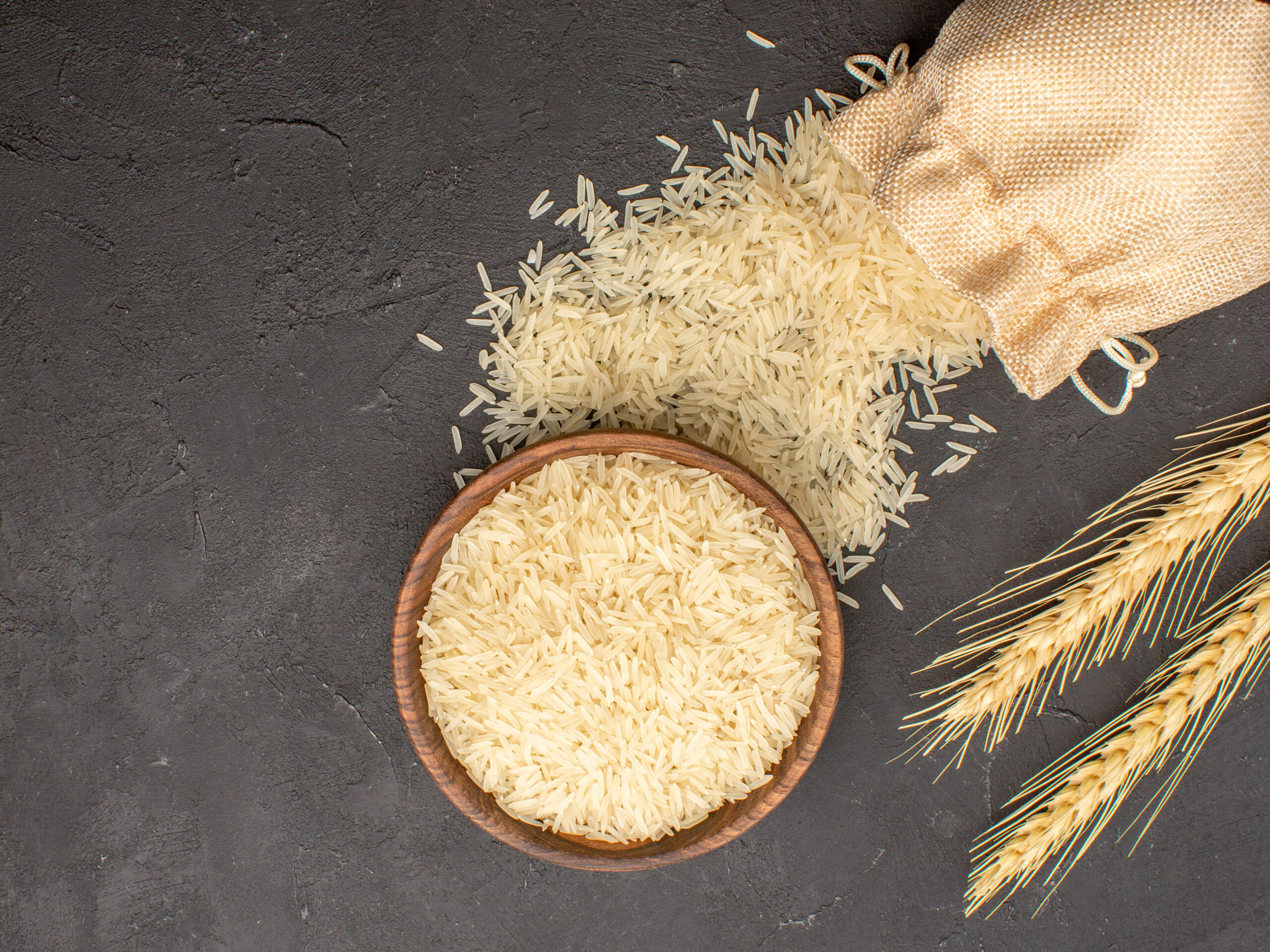
The Increased Demand of Non Basmati Rice all over the world.
The demand of the non basmati varieties of rice has been increasing significantly in the last ten years worldwide. In contrast to its aromatic counterpart, non basmati rice also has popular varieties which are used as staple in most of the countries around the globe.
Common Non Basmati Varieties are:
- Sona Masuri – Light, aromatic type that is ideal due to its fine, light texture and easy digestion.
- IR-64 – Has a long shelf life and even grains which makes it ideal during bulk shipment.
- Swarna – This is a high producing type, having superior cooking properties.
- Parboiled Rice – It is the one that goes through special processing under high steam pressure and preserves more nutrients and vitamins.
The varieties are very popular in Africa, Middle East and Southeast Asia because of their affordability, nutritional importance and multiple cooking uses. One way in which the non basmati rice exporters in Hyderabad have managed to exploit this increasing international demand is through effective supply chain management systems and strict quality control measures that constantly maintain the international standards.
The reason why Hyderabad is a lead in rice export.
It is not by chance that Hyderabad is a major exporter of rice. The city is also a perfect choice by rice exporters due to a number of strategic benefits.
Hyderabad has the following major strengths as an exporter of rice:
- Excellent Agricultural Land-It lies in the flat Deccan plateau and has direct access to the finest rice-producing areas in South India.
- Availability of Raw Materials – Telangana and Andhra Pradesh are the two states that yield millions of tons of rice per year.
- Current Infrastructure – State of the art warehouses, high tech rice mills and temperature controlled storage plants.
- Good road and Rail Networks – Well developed road and rail access, and Shamshabad International Airport to airfreight.
- Qualified Laborforce – Well trained individuals in processing, quality inspection and export paperwork.
A vast majority of non basmati rice exporters in Hyderabad have invested much in the state of the art processing facilities that maintain the same level of quality, competitive prices and the independence to fulfill high-volume orders with ease.
Certifications and Standards of Quality.
In the current competitive world environment, where the global marketplace is considered the place of business, the high quality standards are paramount to success. This was a serious need known to the non basmati rice exporters in Hyderabad who have put in place elaborate measures to control the quality.

Necessary Certifications Exporters have:
- APEDA Registration – Global trade sanction of the Agricultural and Processed Food Products Export Development Authority.
- FSSAI Certification – certification by the Food Safety and Standards Authority of India with regards to compliance of food safety.
- ISO Certifications – quality management systems (International Organization for Standardization) (ISO 9001, ISO 22000)
- HACCP Certification- Hazard Analysis and Critical Control points on food safety management.
- Organic Certifications – To those who are exporters of organic types of rice.
The quality control process encompasses all the processes such as procurement to packaging. Paddy is also inspected thoroughly on arrival, subjected to sanitized mills, color sorters and de-stoners, and laboratory analysis on moisture content, broken percentage and foreign matter. Such stringent quality guarantees have enabled the non basmati rice exporters in Hyderabad to develop sustainable, trusting relationships with the foreign customers.
The Export Process and Logistics.
The exportation of the rice is a very complicated multi-stage procedure that has to be properly coordinated and experienced. The knowledge of this process makes it possible to appreciate the efforts of exporters.
Step-by-Step Export Process:
- Procurement- Obtaining quality paddy either at farmers or mandi or the government procurement centers.
- Processing – Cleaning, dehusking, polishing and grades at the contemporary rice mills.
- Quality Testing- Moisture, broken percentage, chalky grains, contaminants analysis in the laboratory.
- Packaging – Packing in retail size of 1kg and bulk package sizes of 50kg or loads to a container.
- Documentation Preparation of commercial invoices, packing lists, phytosanitary certificates and quality reports.
- Customs Clearance – Paperwork and acquisition of approvals to do the export.
- Shipping – Arranging the freight forwarder and shipping lines to deliver on time.
Those who export non basmati rice exporters in Hyderabad have established close relationships with shipping lines, customs and logistics companies so that they can operate easily and deliver their rice to their destination in various parts of the world.
Major Export Destinations
The knowledge of the global location of rice of Hyderabad could help explain the influence of this sector throughout the world.
Primary Markets of Non Basmati Rice:
- African Countries- Nigeria, Senegal, South Africa, Kenya, and Ivory Coast are the main importers.
- The Middle East- Saudi Arabia, UAE, Yemen and Iraq are steady markets.
- Southeast Asia – Malaysia, Indonesia, and Philippines are importers of varieties.
- European Union – Increased demand of Indian rice among the various communities.
- Other Markets – Australia, United States and other Caribbean countries.
The non basmati rice exporters in Hyderabad have opened offices or representatives in the important markets to have a clear picture of the local tastes and also to effectively sustain relationships with customers.
Opportunities and Challenges.
Although rice export business offers good opportunities, there are various challenges that exporters have to overcome to make it in this industry.
Key Challenges Faced:
- Price Fluctuation- The prices of rice all over the world fluctuate depending on production, demand and the exchange rates.
- Government Policies – There are the export restrictions, minimum prices of exports, and fluctuating regulations which affect operations.
- Quality Competition – The rivals include Thailand, Vietnam, and Pakistan exporters.
- Climate Issues – Unpredictable weather conditions that impact on crop production and quality.
- Logistics Costs- Increasing freight rates and container unavailability seasonally.
Emerging Opportunities:
- Growing Populations – Population growth in the importing countries leads to stable markets as a result of food demand.
- Quality Preference – Increasing demand of high quality Indian rice varieties.
- Trade Agreements – More bilateral agreements coming open new markets.
- Value addition- Organic rice, fortified rice, and readymade cooking products.
- Technology Adoption – More efficient methods of farming with better yields and quality.
Nevertheless, the non basmati rice exporters in Hyderabad are still innovative, practising sustainable initiatives, and exploring new markets to ensure that they have sustained their competitive edge in the global market.
Future of Rice Exportation of Hyderabad.
The Hyderabad rice export business is a great prospect in the future. The number of positive trends makes the future years of growth and expansion persistent.
Future Growth Drivers:
- Agricultural Technology -Agricultural drone surveillance, and superior seed types that enhance yield.
- Infrastructure Development- Government project enhancing road, ports and storage facilities.
- Sustainable Practice- Increased attention to organic production and processing that are greener.
- Market Diversification – venturing into other new markets in Latin America and Africa.
- Value-Added Products – Going to packaged and branded rice products as opposed to bulk exports.
- Digital Integration – Traceability blockchain and a direct connection with buyers online.
The role of exporters of non basmati rice exporters in Hyderabad is growingly important as the issue of food security in the world is on the global agenda. They do not just feed millions of people all over the continents but also help in providing employment to people, support local farming communities and contribute significantly in the agricultural export economy of India. The quality production, strategic location and the business expertise put the Hyderabad rice exporters on the path to further success in the international market.